BPC-157 is a 15-amino-acid pentadecapeptide studied in preclinical models for tissue repair, gut barrier function, angiogenesis, and connective tissue recovery.
Temporarily unavailable
This product is listed in the catalog, but it is not currently available for ordering. Pricing, specifications, and support details remain visible while launch availability is being finalized.
$11.00
BPC-157-
$11.00
✓HPLC purity tested
✓COA per lot, on request
✓Lyophilized, sealed
✓US shipping, tracked
Studied in preclinical models for tendon and ligament healing mechanisms
Investigated for gut-barrier protection and gastric ulcer mitigation in animal models
Examined for angiogenesis promotion and vascular repair in tissue-injury models
Researched for skeletal muscle repair acceleration in surgical rodent studies
Explored for neuroprotective activity in brain and peripheral nerve injury models
✓
Free shipping on orders over $150
Research Supplies
Need bacteriostatic water, syringes, or an alcohol prep kit? Email us — we can bundle reconstitution supplies with your order.
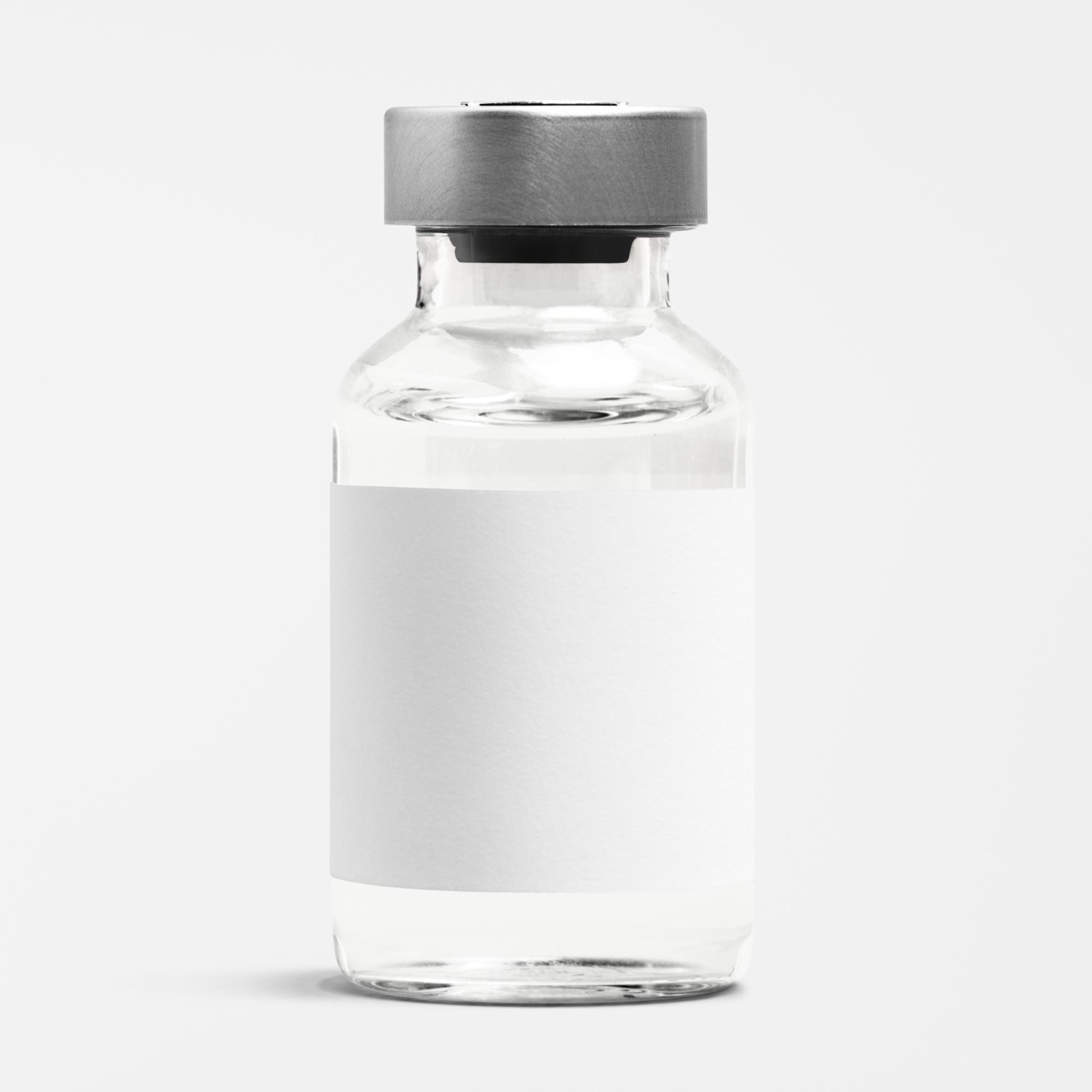
Sterile-filtered, freeze-dried peptide in glass vial, sealed under inert gas.
Lot ID on every vial
Printed lot ID ties this exact vial to its analytical record.
COA on request
Independent third-party HPLC certificate, matched to your lot, sent on request.
Carrier-tracked shipping
Shipped from a US facility with full carrier tracking and protective packaging.
The Peptific standard
Why researchers buy from Peptific instead of grey-market vendors
Peptide quality is invisible until it isn’t. Lot identity, purity, fill integrity, and chain of custody are the difference between usable research material and wasted budget.
Third-party HPLC tested
Every lot is tested for identity and purity by an independent analytical lab. Certificate of Analysis available on request, tied to the exact lot you receive.
Lyophilized and lot-tracked
Sterile-filtered, freeze-dried, sealed under inert gas. Each vial carries its own lot ID — full chain of custody from fill to delivery.
US-based fulfillment
Orders ship from a temperature-controlled US facility with carrier tracking. No drop-shipping, no opaque overseas relay.
Real support, not a ticket queue
A real person responds to research questions, lot questions, and order questions — usually same business day. No bot triage.
How it works
The BPC-157 mechanism
BPC-157 has been investigated for its role in upregulating growth factor expression and promoting angiogenesis in preclinical wound-healing models. Research suggests it interacts with the NO-system and VEGF pathways, supporting vascular formation in injured tissue. Its gastric stability has made it a subject of interest in gut-lining integrity research independent of systemic delivery.
Lyophilized: −20°C. Reconstituted: 2–8°C, use within 30 days
Product definition
What is BPC-157?
BPC-157 is a 15-amino-acid pentadecapeptide studied in preclinical models for tissue repair, gut barrier function, angiogenesis, and connective tissue recovery.
BPC-157 (Body Protection Compound 157) is a synthetic pentadecapeptide derived from a partial sequence of gastric protein BPC. It has been studied across a wide range of preclinical tissue-repair models since the early 1990s, primarily by the Sikiric laboratory group and subsequently by independent research teams worldwide.
The compound has been examined in rodent models of tendon rupture, ligament tears, skeletal muscle damage, gastric ulceration, gut permeability disruption, and neurological injury. Its unusual stability in gastric acid environments — uncommon among peptides of its size — has made it a distinct research candidate for oral-route intestinal studies as well as systemic administration protocols.
Research audience
Who studies BPC-157?
BPC-157 is sourced by researchers in connective tissue biology, gastroenterology, sports medicine preclinical work, vascular biology, and neuroscience. It is one of the most cited peptides in the tissue-repair research literature and serves as a reference compound in multiple research categories.
Research context
What does the preclinical literature say about BPC-157?
BPC-157 was first characterized from a partial sequence of gastric protein BPC and has been the subject of preclinical investigation since the 1990s. The majority of foundational studies were conducted in rat and mouse models using tendon transection, muscle crush injury, gastric ulceration, and intestinal anastomosis protocols.
In tendon research, BPC-157 administration has been associated with accelerated biomechanical recovery and collagen organization in rodent Achilles tendon transection models. In gastrointestinal studies, it has been examined for its role in maintaining gut barrier integrity and accelerating ulcer healing, with researchers proposing interactions with the nitric oxide signaling pathway as a potential mechanism.
The compound's broad tissue distribution of reported activity — spanning orthopedic, gastrointestinal, cardiovascular, and neurological models — is notable and has generated ongoing research interest in understanding its systemic mechanism of action.
Common questions
How does BPC-157 differ from other recovery peptides like TB-500?
BPC-157 and TB-500 operate through different proposed mechanisms. BPC-157 research focuses on NO-system interaction and localized angiogenesis in gut and connective tissue models. TB-500 (Thymosin Beta 4) research centers on actin regulation and systemic anti-inflammatory effects. They are often studied in combination because their mechanisms appear complementary rather than redundant in animal models.
What does the preclinical research base look like for BPC-157?
BPC-157 has several hundred peer-reviewed preclinical publications, primarily from the Sikiric group at the University of Zagreb and subsequently replicated in independent labs. Most studies use rodent models. No large-scale human clinical trials have been completed as of the current literature.
Is BPC-157 stable in storage?
Lyophilized BPC-157 is stable at −20°C for extended periods. Once reconstituted with bacteriostatic water, it should be stored at 2–8°C and used within approximately 30 days. Stability in gastric acid (relevant for oral administration research) has been a distinct research feature compared to other peptides.
Research Use Only
Sold for laboratory and research purposes only. Not approved for, nor intended for, human or veterinary consumption, diagnostic use, or therapeutic application. These products have not been evaluated by the Food and Drug Administration. Keep out of reach of children. For use by qualified researchers only.
Nothing on this page constitutes medical advice, a treatment recommendation, or a clinical protocol. Consult a qualified healthcare provider before making any health or treatment decisions.
By accessing this product page you confirm that you are a qualified researcher aged 18 or older and that you will use this product solely for lawful laboratory research purposes. View Research Use Policy