IGF-1 LR3 is an 83-amino-acid IGF-1 analog with reduced IGFBP binding, extending half-life from ~15 minutes to ~20–30 hours — the most studied long-acting IGF-1 analog in preclinical research.
Temporarily unavailable
This product is listed in the catalog, but it is not currently available for ordering. Pricing, specifications, and support details remain visible while launch availability is being finalized.
$30.00
IGF-1LR3-
$30.00
✓HPLC purity tested
✓COA per lot, on request
✓Lyophilized, sealed
✓US shipping, tracked
Half-life of ~20–30 hours vs. ~15 minutes for native IGF-1 — dramatically better for research protocols
Studied in preclinical models for muscle protein synthesis and satellite cell activation
Investigated for glucose uptake promotion in skeletal muscle via GLUT-4 translocation
Examined for PI3K/Akt/mTOR anabolic signaling pathway activation in muscle biology research
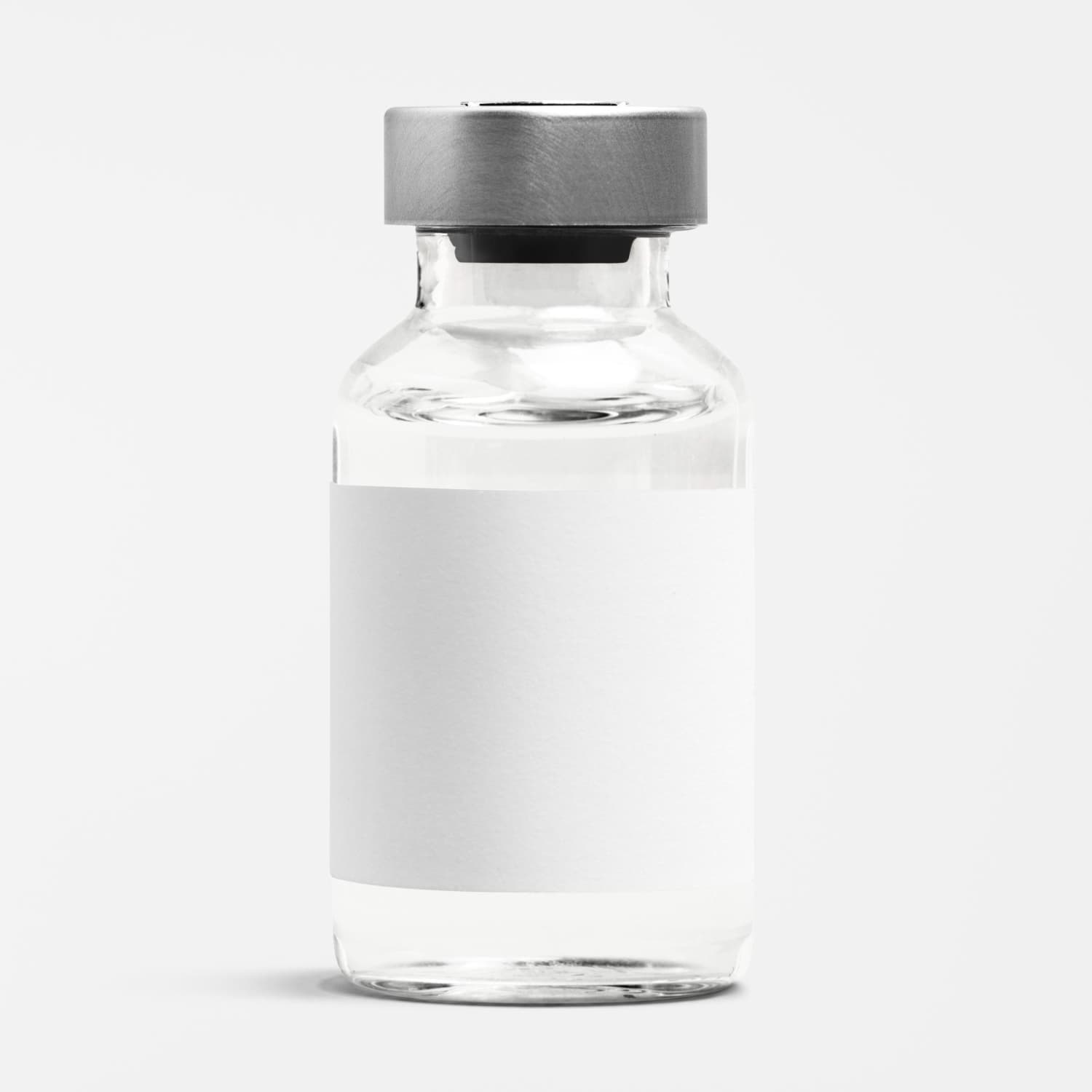
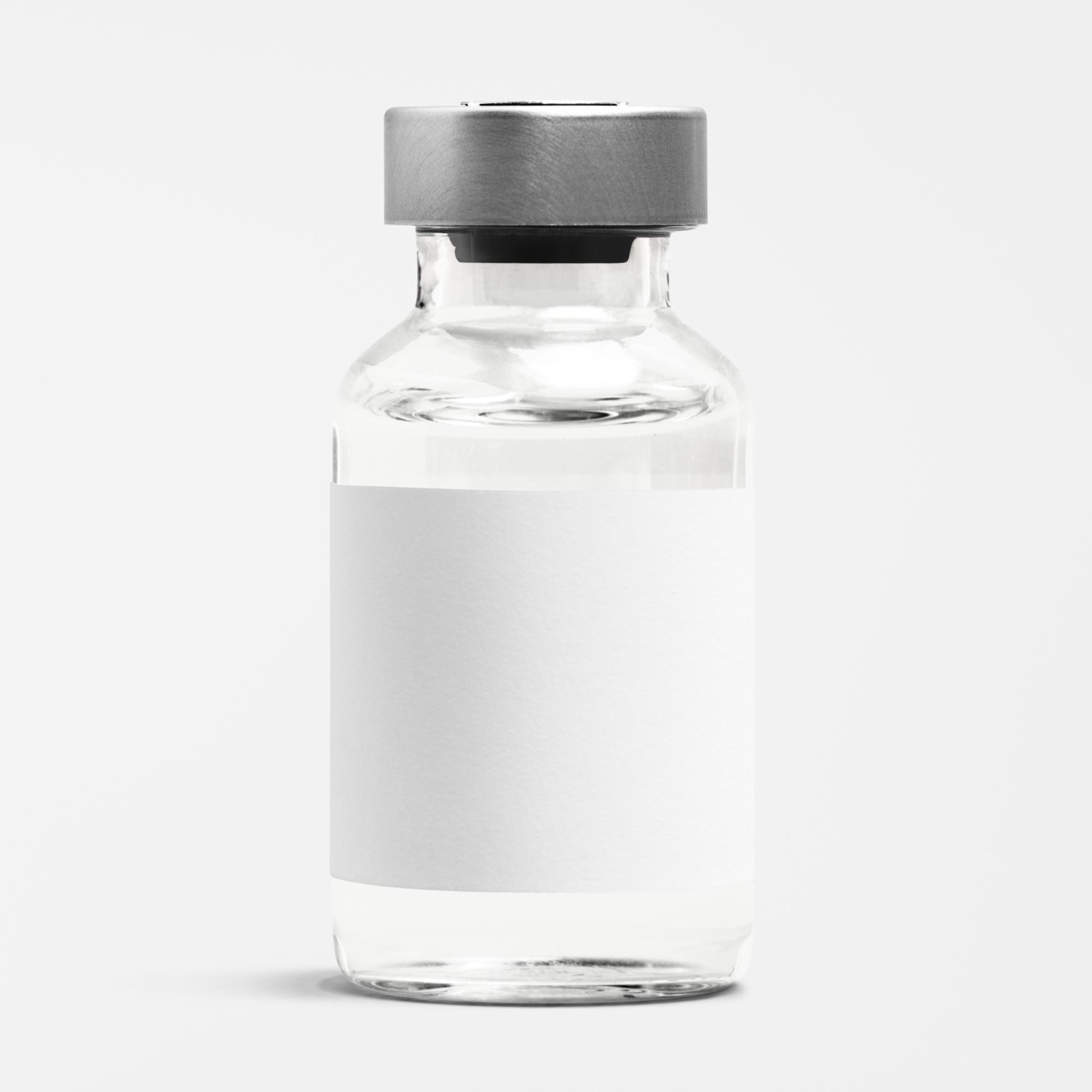
Sterile-filtered, freeze-dried peptide in glass vial, sealed under inert gas.
Lot ID on every vial
Printed lot ID ties this exact vial to its analytical record.
COA on request
Independent third-party HPLC certificate, matched to your lot, sent on request.
Carrier-tracked shipping
Shipped from a US facility with full carrier tracking and protective packaging.
The Peptific standard
Why researchers buy from Peptific instead of grey-market vendors
Peptide quality is invisible until it isn’t. Lot identity, purity, fill integrity, and chain of custody are the difference between usable research material and wasted budget.
Third-party HPLC tested
Every lot is tested for identity and purity by an independent analytical lab. Certificate of Analysis available on request, tied to the exact lot you receive.
Lyophilized and lot-tracked
Sterile-filtered, freeze-dried, sealed under inert gas. Each vial carries its own lot ID — full chain of custody from fill to delivery.
US-based fulfillment
Orders ship from a temperature-controlled US facility with carrier tracking. No drop-shipping, no opaque overseas relay.
Real support, not a ticket queue
A real person responds to research questions, lot questions, and order questions — usually same business day. No bot triage.
How it works
The IGF-1LR3 mechanism
IGF-1 LR3 binds IGF-1 receptors with comparable affinity to native IGF-1 but with dramatically reduced binding to IGF-binding proteins (IGFBPs), prolonging its effective half-life in vivo. Receptor engagement activates the PI3K/Akt/mTOR pathway, stimulating muscle protein synthesis and satellite cell activation in preclinical models. The LR3 modification is the critical pharmacokinetic distinction from native IGF-1.
Compound profile
Class
Long-acting IGF-1 analog
Amino acids
83
Molecular weight
~9,117 Da
Half-life
~20–30 hours in vivo (vs ~15 min for native IGF-1)
IGFBP binding
<1% of native IGF-1 binding
Key modification
R3 substitution + 13 AA N-terminal extension
Research category
Anabolic signaling, muscle biology, metabolic research
Storage
Lyophilized: −20°C. Reconstituted: 2–8°C, use within 14 days
Product definition
What is IGF-1LR3?
IGF-1 LR3 is an 83-amino-acid IGF-1 analog with reduced IGFBP binding, extending half-life from ~15 minutes to ~20–30 hours — the most studied long-acting IGF-1 analog in preclinical research.
IGF-1 Long R3 is a modified form of human IGF-1 developed to circumvent the binding protein problem that limits native IGF-1's utility in research and therapeutic contexts. The modification involves substitution of glutamate with arginine at position 3 and addition of a 13-amino-acid extension to the N-terminus, together producing a molecule with <1% of native IGF-1's IGFBP-3 binding affinity.
In preclinical research, IGF-1 LR3 is investigated for its role in muscle protein synthesis, satellite cell activation, myotube hypertrophy, glucose transporter expression in skeletal muscle, and anabolic signaling through PI3K/Akt/mTOR. The extended half-life relative to native IGF-1 makes it significantly more practical for animal studies examining sustained IGF-1 receptor engagement.
Research audience
Who studies IGF-1LR3?
IGF-1 LR3 is used by researchers in muscle biology, sports science preclinical work, metabolic signaling, GH-IGF axis research, and anabolic pathway pharmacology. It is the standard long-acting IGF-1 analog used when extended receptor engagement is required for a study protocol.
Research context
What does the preclinical literature say about IGF-1LR3?
IGF-1 LR3 was developed as a research tool to extend the effective window of IGF-1 receptor engagement beyond what native IGF-1 allows due to rapid IGFBP sequestration. The compound is manufactured by multiple research suppliers and has been used across hundreds of published preclinical studies examining anabolic signaling and metabolism.
In muscle biology research, IGF-1 LR3 is studied for its effects on satellite cell proliferation and differentiation — key events in skeletal muscle repair and hypertrophy. In cell culture systems, it produces robust PI3K/Akt/mTOR activation at nanomolar concentrations, making it a standard tool for signaling pathway studies. In in vivo rodent studies, it has been used to examine body composition effects, muscle mass responses, and metabolic parameters.
The compound also shows binding to the insulin receptor, though with approximately 11% of native insulin's potency. This cross-reactivity is relevant for metabolic research designs and should be considered when interpreting in vivo results.
Common questions
Why use IGF-1 LR3 instead of native IGF-1?
Native IGF-1 is rapidly bound by IGFBPs in circulation, reducing its effective half-life to approximately 15 minutes. IGF-1 LR3's modifications reduce IGFBP binding to <1% of native levels, extending effective half-life to 20–30 hours. For research protocols requiring sustained receptor engagement, IGF-1 LR3 is dramatically more practical and the standard choice in the field.
Does IGF-1 LR3 affect insulin signaling?
IGF-1 LR3 shows partial agonism at insulin receptors — approximately 11% of insulin's potency at the insulin receptor. This cross-reactivity is relevant for metabolic research designs and should be accounted for when interpreting results from studies using high concentrations. At typical research concentrations in muscle biology studies, the primary effect is IGF-1 receptor-mediated.
What is the recommended storage protocol for IGF-1 LR3?
Lyophilized IGF-1 LR3 is stable at −20°C. Once reconstituted, it should be stored at 2–8°C and used within approximately 14 days — a shorter window than many other peptides due to reduced stability in reconstituted form. Avoid repeated freeze-thaw cycles of reconstituted solution.
Research Use Only
Sold for laboratory and research purposes only. Not approved for, nor intended for, human or veterinary consumption, diagnostic use, or therapeutic application. These products have not been evaluated by the Food and Drug Administration. Keep out of reach of children. For use by qualified researchers only.
Nothing on this page constitutes medical advice, a treatment recommendation, or a clinical protocol. Consult a qualified healthcare provider before making any health or treatment decisions.
By accessing this product page you confirm that you are a qualified researcher aged 18 or older and that you will use this product solely for lawful laboratory research purposes. View Research Use Policy
IG1 - IGF1-LR3 - 1 MG - Research Use Only | Peptific