Research-use catalog page
COA request, lot visibility, availability, and schema stay aligned.
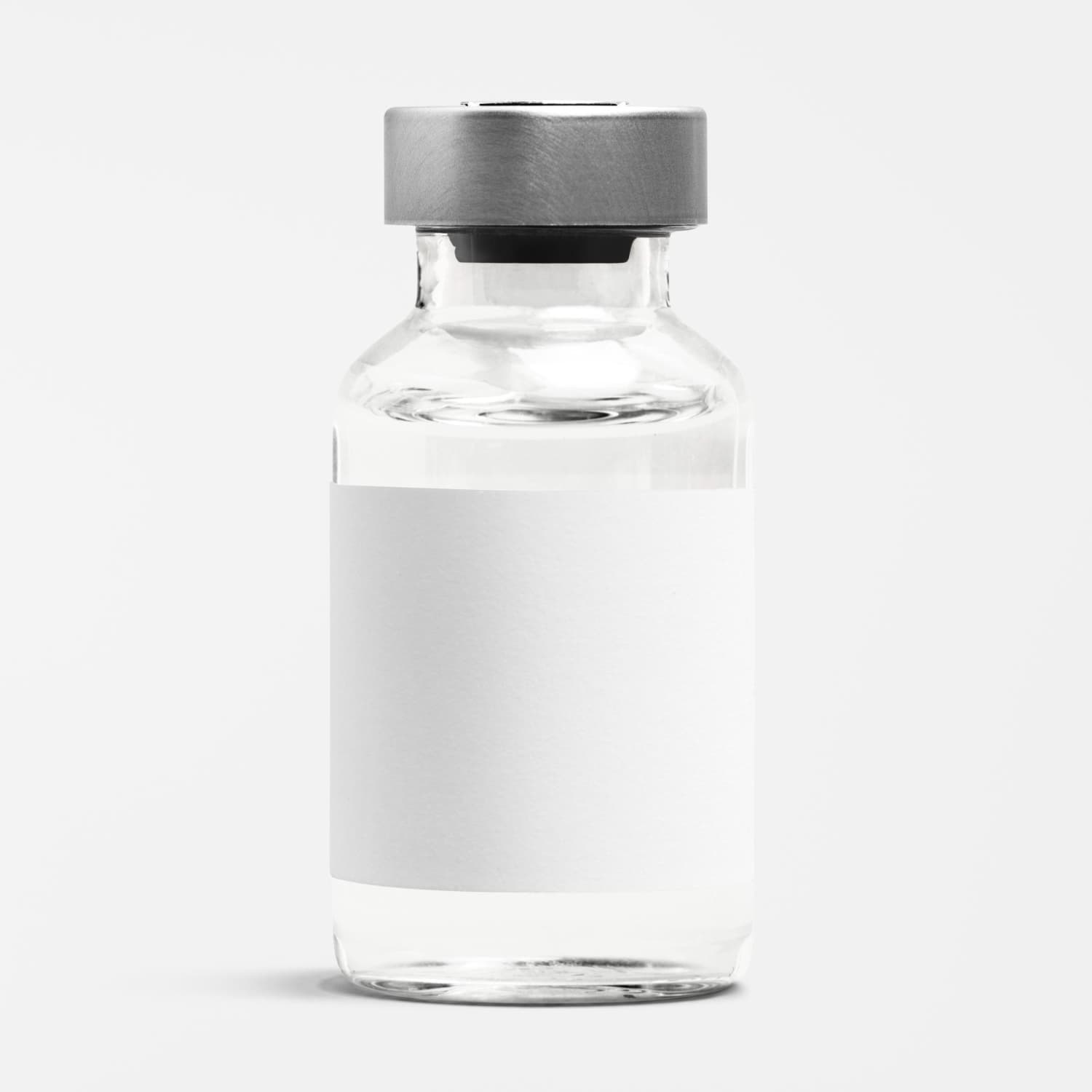
TA10 - Thymosin Alpha-1 - 10 MG - Research Use Only
Thymosin Alpha 1 is a 28-amino-acid thymic peptide approved in 35+ countries as Zadaxin for hepatitis B/C — the most clinically validated immunomodulatory peptide via TLR2/TLR9 activation and Th1 immune enhancement.
Temporarily unavailable
This product is listed in the catalog, but it is not currently available for ordering. Pricing, specifications, and support details remain visible while launch availability is being finalized.
- ✓HPLC purity tested
- ✓COA per lot, on request
- ✓Lyophilized, sealed
- ✓US shipping, tracked
- Approved in 35+ countries as Zadaxin for hepatitis B/C — unmatched regulatory validation among immunomodulatory peptides
- TLR2/TLR9 agonism on dendritic cells — upstream innate immune activation with broad downstream adaptive immunity effects
- Studied for Th1 polarization and interferon-γ enhancement in chronic infection and cancer immunotherapy models
- Investigated as immune adjuvant in combination with checkpoint inhibitors in oncology preclinical models
- Researched for vaccine response enhancement in immunocompromised populations (transplant, chemotherapy)
Free shipping on orders over $150
Research Supplies
Need bacteriostatic water, syringes, or an alcohol prep kit? Email us — we can bundle reconstitution supplies with your order.
Ask about a research kit →Need the COA before you order? Request it here.
In your order
What ships when you order Thymosin Alpha 1
Lyophilized vial
Sterile-filtered, freeze-dried peptide in glass vial, sealed under inert gas.
Lot ID on every vial
Printed lot ID ties this exact vial to its analytical record.
COA on request
Independent third-party HPLC certificate, matched to your lot, sent on request.
Carrier-tracked shipping
Shipped from a US facility with full carrier tracking and protective packaging.
The Peptific standard
Why researchers buy from Peptific instead of grey-market vendors
Peptide quality is invisible until it isn’t. Lot identity, purity, fill integrity, and chain of custody are the difference between usable research material and wasted budget.
Third-party HPLC tested
Every lot is tested for identity and purity by an independent analytical lab. Certificate of Analysis available on request, tied to the exact lot you receive.
Lyophilized and lot-tracked
Sterile-filtered, freeze-dried, sealed under inert gas. Each vial carries its own lot ID — full chain of custody from fill to delivery.
US-based fulfillment
Orders ship from a temperature-controlled US facility with carrier tracking. No drop-shipping, no opaque overseas relay.
Real support, not a ticket queue
A real person responds to research questions, lot questions, and order questions — usually same business day. No bot triage.
How it works
The Thymosin Alpha 1 mechanism
Thymosin Alpha 1 activates TLR2 and TLR9 on dendritic cells and T lymphocytes, enhancing innate immune response, antigen presentation, and Th1 polarization. Downstream effects include NK cell activation, cytotoxic T-cell stimulation, and interferon-γ production. Regulatory approval in 35+ countries for hepatitis B/C anchors the clinical mechanistic validation.
Compound profile
- Class
- Thymic peptide / immunomodulator
- Amino acids
- 28 (N-terminal acetylated)
- Molecular weight
- ~3,108 Da
- CAS
- 62304-98-7
- Clinical status
- Approved as Zadaxin in 35+ countries for hepatitis B/C
- Mechanism
- TLR2/TLR9 agonism, Th1 polarization, NK/CTL activation
- Research category
- Immunomodulation, infectious disease, cancer immunotherapy, vaccine adjuvancy
- Storage
- Lyophilized: −20°C. Reconstituted: 2–8°C, use within 30 days
Product definition
What is Thymosin Alpha 1?
Thymosin Alpha 1 is a 28-amino-acid thymic peptide approved in 35+ countries as Zadaxin for hepatitis B/C — the most clinically validated immunomodulatory peptide via TLR2/TLR9 activation and Th1 immune enhancement.
Thymosin Alpha 1 (thymalfasin) is a naturally occurring thymic peptide — an N-terminal acetylated 28-amino-acid sequence originally isolated from thymosin fraction 5, a thymic extract prepared by Allan Goldstein's group at The George Washington University in the 1970s. The synthetic version became Zadaxin (SciClone Pharmaceuticals), approved in China, South Korea, Italy, and 30+ other countries for chronic hepatitis B and C treatment. The mechanistic pathway studied in the published literature involves: (1) direct TLR2 and TLR9 agonism on dendritic cells and natural killer cells — activating the innate immune response; (2) enhancement of MHC class I and II antigen presentation, improving CD8+ and CD4+ T-cell recognition of infected or transformed cells; (3) Th1 cytokine profile enhancement (IFN-γ, IL-2, TNF-α) at the expense of Th2 dominance, relevant in chronic infection contexts where Th2 bias impairs viral clearance; (4) NK cell cytotoxicity enhancement. This profile has driven investigation across infectious disease, cancer immunotherapy, and sepsis biology.
Research audience
Who studies Thymosin Alpha 1?
Thymosin Alpha 1 is used by researchers in immunology, infectious disease, cancer immunotherapy, vaccine adjuvancy, and sepsis biology. It is particularly valuable for investigators studying TLR-mediated immune activation, Th1/Th2 balance, dendritic cell function, or the innate-to-adaptive immune interface.
Research context
What does the preclinical literature say about Thymosin Alpha 1?
Thymosin Alpha 1 was isolated from thymic extracts by Allan Goldstein's group in the 1970s as part of the effort to characterize thymic hormones responsible for T-cell maturation. The subsequent development of the synthetic peptide and its clinical evaluation for chronic viral hepatitis — conditions where impaired T-cell responses allow viral persistence — was a direct translation of the mechanistic hypothesis. The hepatitis B approval data documents improved viral clearance rates, HBsAg loss, and HBeAg seroconversion in treated patients versus control, particularly when combined with interferon-α. This clinical pharmacodynamic dataset provides the human mechanistic anchoring that most research immunopeptides lack. In oncology research, the interest in Tα1 has grown with the checkpoint inhibitor era: the hypothesis that Tα1 can prime innate and adaptive immunity to enhance the anti-tumor T-cell response to checkpoint blockade is under preclinical and early clinical investigation. In sepsis, Tα1's documented effects on macrophage polarization and inflammatory cytokine modulation have positioned it as a candidate for studying immune restoration in immunoparalysis contexts. Uniquely for a research peptide, Tα1 has a published safety record from 35+ country regulatory review processes — a pharmacovigilance dataset that supports its use as a research reference compound.
Common questions
What distinguishes Thymosin Alpha 1 from other thymic peptides like Thymosin Beta 4?
Is Thymosin Alpha 1 effective in combination with checkpoint inhibitors?
What is the storage and reconstitution protocol for Thymosin Alpha 1?
Research Use Only
Sold for laboratory and research purposes only. Not approved for, nor intended for, human or veterinary consumption, diagnostic use, or therapeutic application. These products have not been evaluated by the Food and Drug Administration. Keep out of reach of children. For use by qualified researchers only.
Nothing on this page constitutes medical advice, a treatment recommendation, or a clinical protocol. Consult a qualified healthcare provider before making any health or treatment decisions.
By accessing this product page you confirm that you are a qualified researcher aged 18 or older and that you will use this product solely for lawful laboratory research purposes. View Research Use Policy